

 Facebook
 X
X
 Pinterest
 Copy Link

Celebrity Homes •
June 27, 2026
Gene Hackman’s Former English Tudor Home in L.A. Hits the Market for $6 Million By Abby Montanez
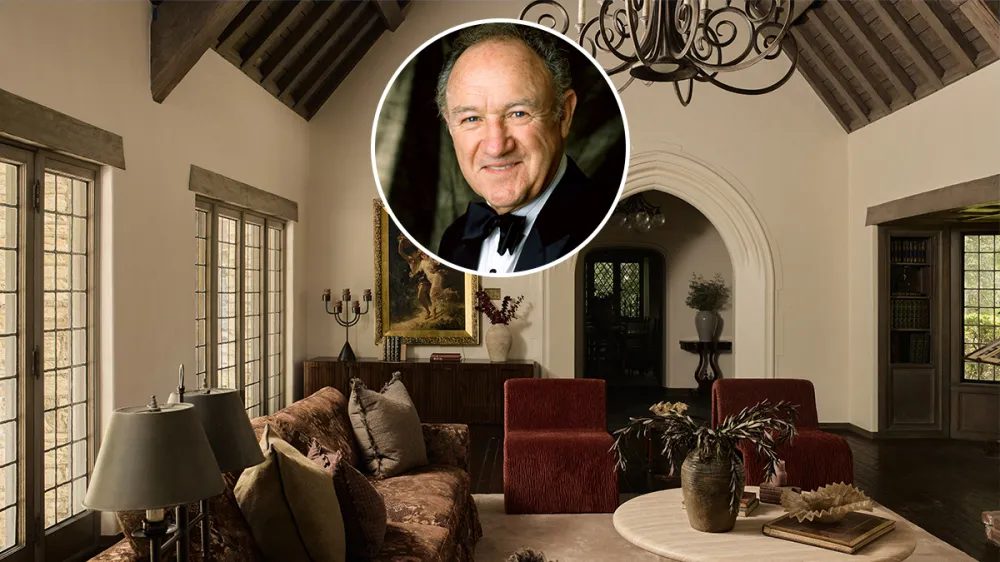
It’s been a little over a year since Gene Hackman’s passing at age 95, and his real estate legacy remains in the spotlight. In February, the two-time Oscar winner’s Santa Fe compound shattered expectations when it sold after just eight days on the market. Now, another property tied to the legendary actor has surfaced, this one tucked away in L.A.’s San Fernando Valley.
Hackman owned the nearly century-old Woodland Hills residence only briefly, from roughly 1970 to 1971, before eventually settling in New Mexico. But the storybook property’s Hollywood pedigree stretches back much further. Known historically as the Canoga Estate, the English Cotswold-inspired home was built in 1928 by prominent local developer Harold Ferguson as the centerpiece of a 250-acre ranch. It was later acquired by Casablanca director Michael Curtiz, who owned it for more than 15 years. Blueprints dated 1935 bear the filmmaker’s name, documenting modifications made during his tenure.
According to listing agent Deanna D’Egidio of Harcourts Plus, the vast acreage, expansive stables, and multiple outbuildings were among the property’s original draws. Geographic convenience also played a role. “Jack Warner lived in the area (Warner Brothers president), whom Curtiz worked for on most films,” D’Egidio notes, adding that the historic Warner Ranch site is now the commercial district known as Warner Center.
When speculators subdivided the ranch’s acreage between 1948 and 1950, they envisioned a private park-like setting modeled after New York’s lush Forest Hills neighborhood. D’Egidio points out that “the community of Forest Hills was originally advertised as the Bel Air of the San Fernando Valley.” The developers took the rare step of burying power lines to preserve the views, a choice D’Egidio says leaves the neighborhood with vistas that are “spectacular and unmatched for many homes.”
The original carriage house and stables were split off during this midcentury era, later carving out their own Hollywood histories. The carriage house became a longtime residence for actress Jodie Foster before D’Egidio sold it in 2020 for $1.9 million, while the stables were converted into a private single-family home that still features its original architecture and a wood shake roof.

Today, the main home still commands over two acres, hidden behind rose bushes and century-old cedars, oaks, and pines in the highly coveted Queen Streets neighborhood. The main house retains its original character, featuring a slate tile roof, copper gutters, leaded glass, hand-honed wood floors, and custom furniture pieces created in collaboration with designer Francesca Grace. Combined with a guesthouse and bonus recreation room, the living space totals almost 6,500 square feet. D’Egidio highlights that the property is “a true one of one as it supersedes homes in the area by decades,” noting that finding a private, mature parcel of this scale is nearly impossible in the area today.
The current owners have held the property since 1994, moving from nearby Studio City after falling in love with the estate the first day they walked in. To secure it against two competing bids, they wrote a non-contingent offer of $1.7 million—which D’Egidio notes “was among the highest sales ever in the Valley” at the time. The home will now hit the market for $6 million.
Housing Market •
June 27, 2026
Is It Still a Seller’s Market? Here’s What the Data Says. By Keeping Current Matters

Remember a few years back when sellers held all the power and buyers were stuck offering way over asking or waiving inspections just to get a chance at the house? In many markets, those days are behind us.
While it’s going to vary by area, more metros are slowly shifting to favor buyers, and the market is starting to look a lot more like a two-way street again.
And that balance is something we haven’t had in a while.
Whether you’re buying or selling, here’s what you need to know about what’s changing and what it means for your move.
The Most Buyer-Friendly Market in Years
The national data tells an interesting story right now. According to Realtor.com:
“The national housing market is balanced but gradually loosening as the cycle moves in a more buyer-friendly direction . . .“
That’s because, over the past few years, more and more metros have been flipping back to more buyer-friendly terms as inventory’s grown. And when you zoom in on the latest Realtor.com data for the top 50 metro markets over time, the trend becomes really clear (see graph below).
Back in 2021, almost all major metros were seller’s markets. By the end of 2025, only 1 in 3 still favored sellers. That’s an obvious shift.
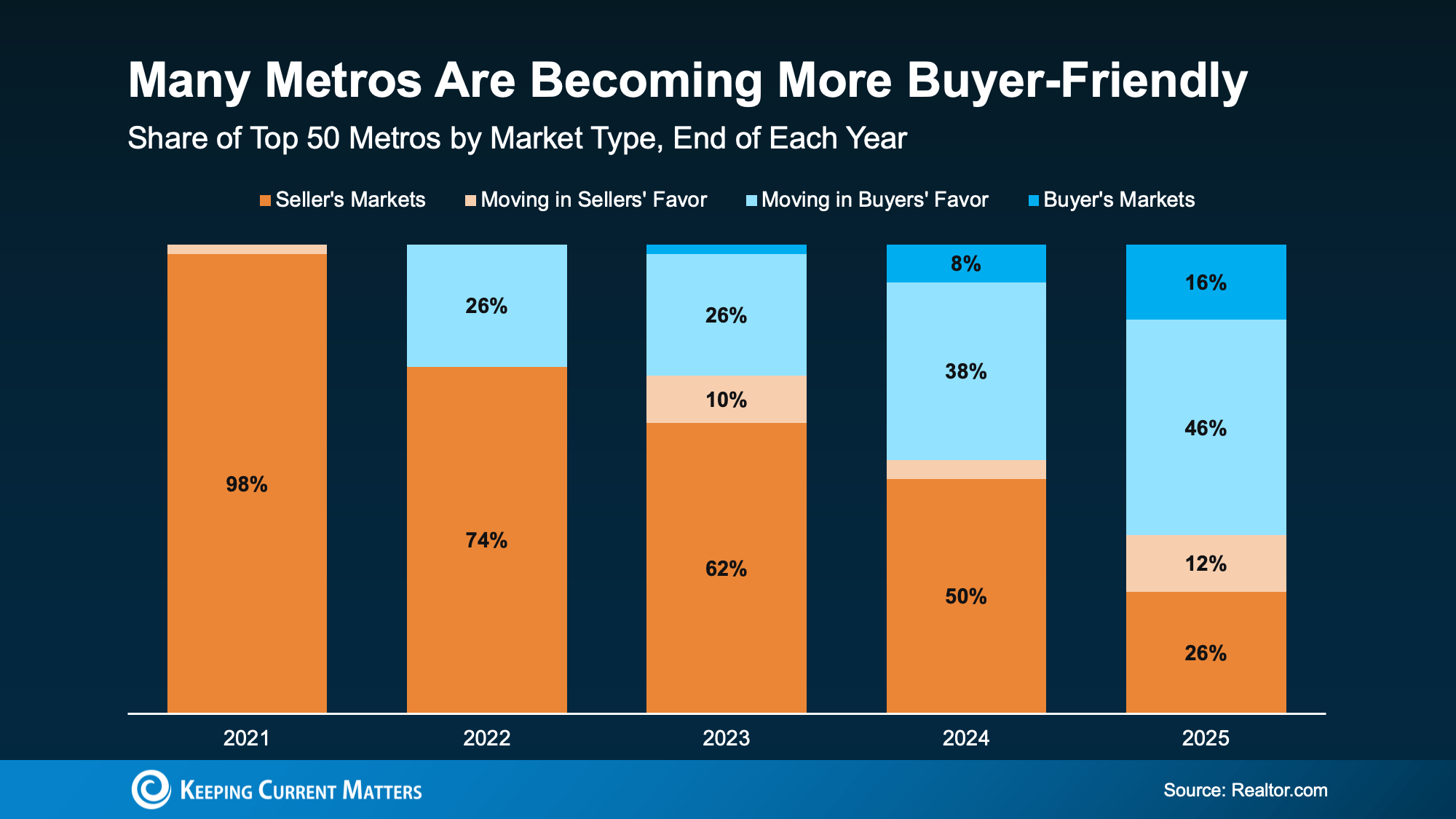
And that changes how the market is going to feel for everyone. Sellers shouldn’t still expect 2021 conditions, but neither should buyers. At least, not generally speaking.
It’s Not the Same Story Everywhere
That said, who has the power ultimately depends on where you live. While more metros are leaning buyer-friendly lately, there are still plenty of strong seller’s markets right now, too.
It really comes down to how much housing supply and demand there is in your area. And that varies enormously by region.
Sun Belt cities like Austin, Tampa, and San Antonio saw major building booms in recent years, giving buyers more options and more negotiating room. Meanwhile, cities in the Northeast and Midwest – think Rochester, Hartford, and Buffalo – didn’t see that same wave, so inventory stayed tight and competition stayed fierce. As Jeff Ostrowski, Housing Analyst at Bankrate, explains:
“The formerly hot Sun Belt markets have cooled, while the Northeast and Midwest have stayed hot. The big driver here is construction activity. The softest markets now [have] experienced big booms that spurred new building, and that has led to a large supply of new and existing homes on the market in those places.”
Practical Advice for Your Move
To find out who has the power in your local market, talk to an agent. Because knowing what’s happening locally is going to be the key to setting the right strategy for your move.
If the market is working in your favor, great. Lean in and use it to your benefit. But if it’s not, all hope isn’t lost. Your agent can help you figure out how to approach any market.
Here’s some practical advice if there’s a mismatch between your goal and local market conditions.
If you’re buying in a seller’s market:
- Get pre-approved before you start shopping. It shows sellers you’re serious.
- Be ready to act fast when the right home hits the market.
- Consider offering a quick closing date or flexible terms.
- Work closely with your agent to craft a competitive offer.
If you’re selling in a buyer’s market:
- Price it right from day one. Overpricing will cost you time and money.
- Focus on curb appeal and staging to stand out in areas with more inventory.
- Be open to offering incentives, like covering closing costs or a home warranty.
- Expect buyers to negotiate and be ready to be flexible.
Bottom Line
Right now, local markets are moving in very different directions. And your strategy as a buyer or seller should reflect your market.
Want to know which way your local market is leaning and what that means for your move? Talk to a local real estate agent.
Food •
June 19, 2026
Shrimp Scampi En Papillote By Holly Erickson and Natalie Mortimer

We bet you’ve never made a shrimp scampi that’s this easy! In our shrimp scampi en papillote recipe, steaming packets of jumbo juicy shrimp, fresh asparagus, bursting cherry tomatoes and bright lemon create a garlicky sauce, perfect served over buttery noodles. Our favorite part is that it is equally straightforward as it is sophisticated, but even the kids will approve! In less than one hour, you’ll have a dreamy, simple, one-dish, flavor-packed dinner. And if you have a little crisp dry wine left over, it’ll pair very nicely with it. As Ina Garten would say, “how easy is that?”

What Do I Need for Shrimp Scampi En Papillote?
Super simple, parchment packets of deliciousness are here! Easy enough for a weeknight dinner but elegant enough for an impromptu dinner party. We love it because it calls for the basics, plus a few other quick ingredients. The result? Saucey, butter, and wine-braised shrimp, tender veggies, and bright flavors all around. For this shrimp scampi en papillote recipe, you’ll need:
-
Shrimp
-
Asparagus
-
Cherry tomatoes
-
EVOO
-
Dry white wine – but also, chicken stock will do!
-
Fresh lemon juice + sliced lemon!
-
Sea salt
-
Brown sugar
-
Red pepper flakes
-
Fresh garlic + garlic powder
-
Butter
-
Any long noodle (for serving!) or, rice works well, too
-
Italian parsley




How To Serve Shrimp Scampi En Papillote
When baked together in parchment, the fresh vegetables and shrimp create a flavorful sauce that begs to be soaked up by buttered noodles! Crusty bread or Garlic Bread will also do. Even though this easy shrimp scampi dish has it all, we could always use more sides! Creamy Polenta, Roasted Zucchini with Parm, or Caprese Salad make it a hearty dinner. Trying to impress your guests? Tie it together with this luxurious Yogurt and Olive Oil Pistachio Cake With Lemon Buttercream.


How To Make Shrimp Scampi En Papillote
Don’t let the name fool you – this dish is simple! Allow us to break it down for you in a few easy steps!
-
Cut the parchment paper! For these perfect little packets of shrimp scampi to work, cut the correct sizes – we opt for four (4) 15 x 10-inch ovals which you will fold in half crosswise.
-
In a large bowl you’ll toss together the shrimp, asparagus, tomatoes, olive oil, wine, lemon juice, salt, brown sugar, red pepper flakes and garlic powder.
-
Make the packets! On each individual parchment paper, place two slices of lemon down and then evenly pile on the marinated shrimp and vegetable goodness! Sprinkle each of them with garlic, butter, and salt! Fold it up, roll the edges down, pop it on the sheet pan and sit back and wait!
-
Bake! While the packets of shrimp scampi bake for around 18 minutes, prepare your noodles or rice! In no time you’ll have garlicky, lemony, saucy shrimp with fresh vegetables for dinner! Top with a sprinkling of fresh Italian parsley.
Housing Market •
June 19, 2026
Should You Pay for Your Buyer’s Closing Costs? What Sellers Need To Know By Keeping Current Matters

A few years ago, sellers could get away with saying “no” to just about everything.
No repairs.
No concessions.
No negotiation.
If buyers wanted the house, they pretty much had to take it on the seller’s terms. But now that inventory’s grown, negotiations are becoming a normal part of the process again.
That’s why one of the most important things sellers need to understand right now is this:
The goal isn’t to “win” every negotiation.
Sometimes, it’s worth meeting buyers where they are to get a deal done, fast. One example? Helping with a buyer’s closing costs.
Let’s break that down, so you know what to expect if it comes up in your sale.
What Are Buyer Closing Costs?
Closing costs are the extra expenses buyers pay on top of their down payment when they purchase a home. Freddie Mac gives some examples:
- Loan origination fees
- Appraisal and inspection costs
- Title and attorney fees
- Survey fees and more
Typically, buyer closing costs range from about 2% to 5% of the home’s purchase price. So, on the typical $400,000 home, that could mean anywhere from $8,000 to $20,000 out of pocket.
And in today’s affordability-challenged market, that upfront cash can be a major hurdle for some buyers – even if they can comfortably afford the monthly mortgage payment itself.
That’s why more people are asking sellers for help.
And More Sellers Are Saying “Yes”
According to the latest data from Zillow, 67% of sellers reported paying some or all of the buyer’s closing costs in 2025 (see chart below):
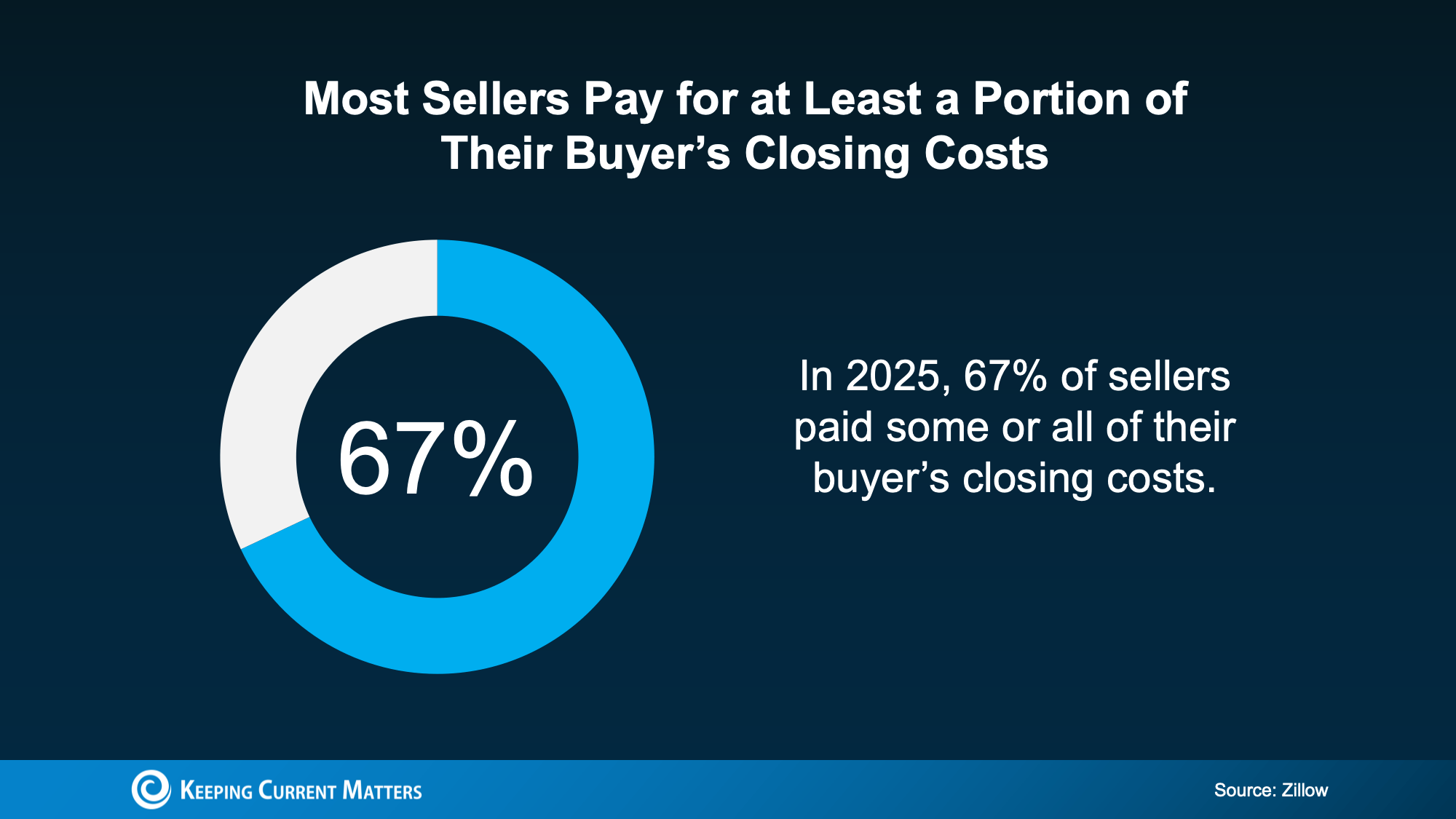
Now, that doesn’t mean every seller is doing it. And it definitely doesn’t mean every seller should. But it does show how common concessions have become as the market has shifted. And that’s important for you to know.
When Paying Closing Costs May Make Sense
This is where many sellers get stuck. They hear “help with closing costs” and immediately think: “Why should I pay for their expenses?”
But that’s not always the right way to look at it. You’ve got to consider who has the leverage in today’s market.
Redfin data shows there are more sellers than buyers active today. And that shifts the market dynamics (see graph below):
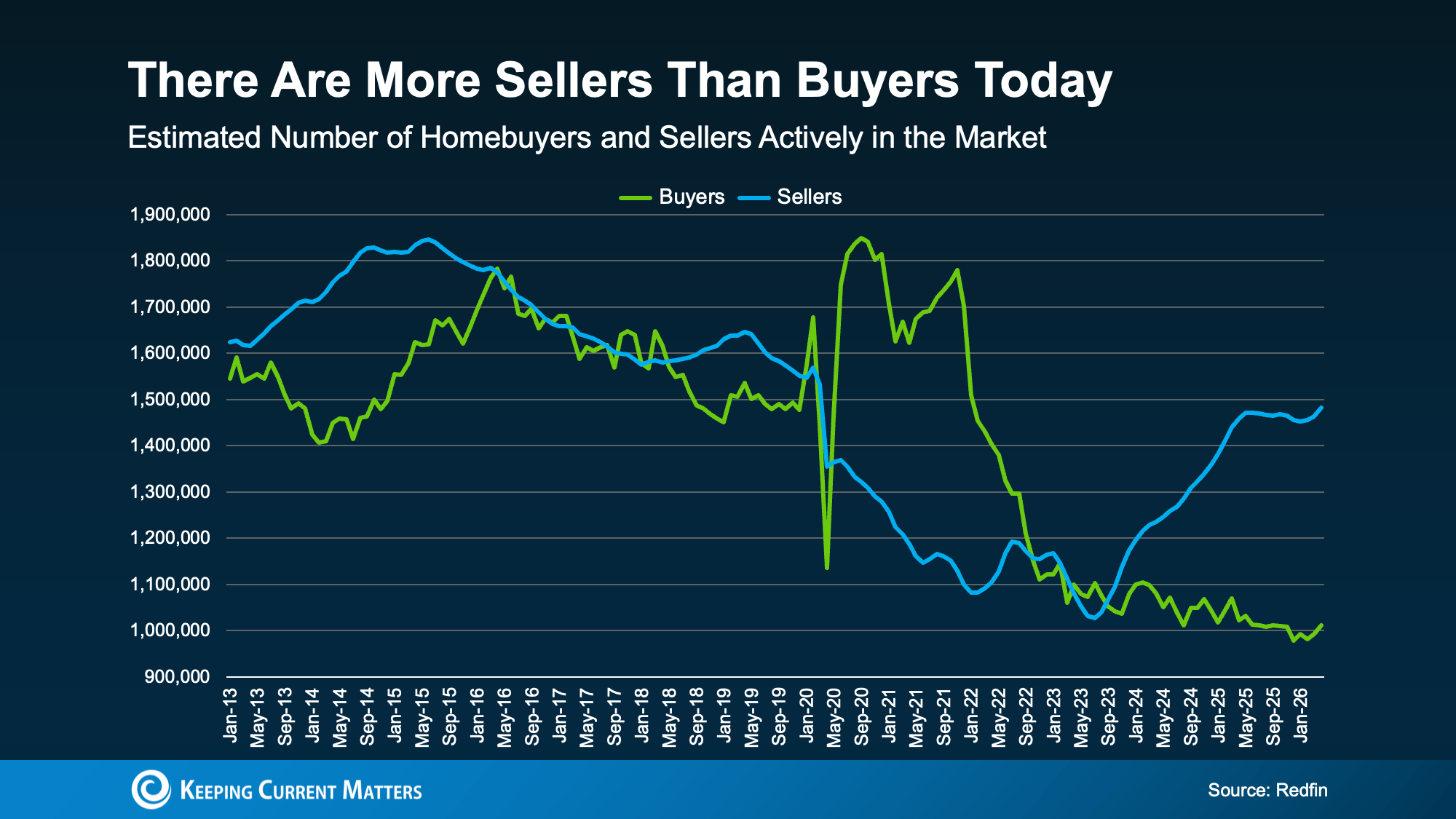
That doesn’t mean every market favors buyers. Far from it. In some areas, homes are still selling quickly and sellers have plenty of leverage. But in others, buyers have more room to negotiate than they’ve had in years.
That’s why local market conditions matter so much when you make your decision.
For example, helping with closing costs may be worth considering if:
- There are a lot of homes for sale in your area
- Your house has been sitting on the market longer than expected
- You’ve had showings, but no offers
- You’re motivated to move quickly
- Or you’re trying to keep a deal together during negotiations
After all, if it’s the thing that helps bring a serious buyer across the finish line, it could be well worth it.
Other Concessions You Could Offer Instead
Just remember, being flexible doesn’t mean saying “yes” to every request. It means understanding which compromises actually help you accomplish your goals. Because there are always alternatives.
Redfin suggests considering other concessions if you’re not interested in helping with closing costs, like:
- A home warranty
- Repair credits
- Flexible closing dates, or
- Leave behind appliances or furniture
The right answer depends on what buyers in your market are asking for and what matters most to you. That’s exactly why working with an experienced local agent is so important.
Bottom Line
The sellers having the most success today are the ones who understand the market has changed and are adapting to meet it where it is.
Sometimes that means negotiating on closing costs. Sometimes it means offering something else. The key is knowing which concessions are worth it for your local market.
If you’re wondering what’s normal in your area, what’s worth negotiating, and where it makes sense to stand firm, connect with an agent.
Celebrity Homes •
June 19, 2026
Katy Perry’s Former Guesthouse in Beverly Hills Lists for $8.5 Million By Wendy Bowman
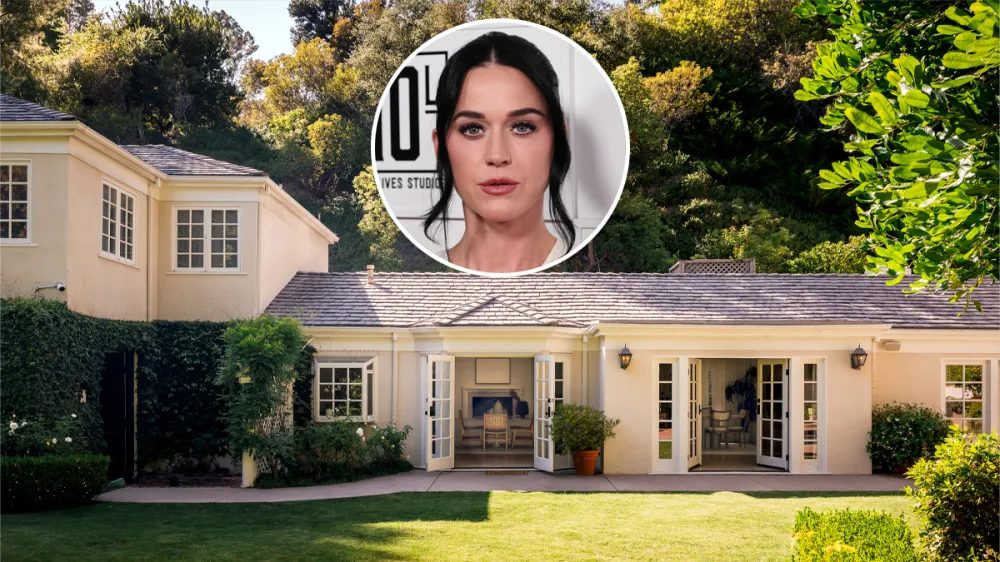
Katy Perry relocated from Los Angeles to the coastal town of Montecito almost six years ago so she and her former fiancé, Orlando Bloom, could raise their daughter in a more private, ocean-view setting. In the process, the pop star—who recently premiered her full-length concert documentary, The Lifetimes Tour – Live from Paris, at the June 2026 Tribeca Film Festival—left behind two houses in the Beverly Hills Post Office neighborhood’s guard-gated Hidden Valley enclave.
The “Roar” and “Firework” singer sold one of those properties, which served as her primary residence, in 2022 for $18 million. She had previously offloaded a smaller nearby home used as a guesthouse in 2021 for $7.475 million, just $25,000 more than she paid for it in 2018. The guesthouse has now returned to the market for $8.5 million. The listing is represented by Josh Flagg of Compass.

Tucked away behind walls and gates at the end of a cul-de-sac on nearly an acre, the two-story stucco and shake-roof structure was completed in 1960. Updated by the current owners, it offers four bedrooms, an equal number of bathrooms, and a powder room across roughly 4,400 square feet with neutral-toned interiors grounded by wide-plank oak flooring.
Standing out is the living room with a carved stone fireplace and French doors opening to a grassy backyard hosting alfresco dining terraces, a barbecue area, and an oval pool framed by mature specimen trees. An adjacent dining area sits beside a marble-clad kitchen outfitted with an octagonal island, stainless-steel appliances, and a fireside breakfast nook, while a light-filled den comes with an integrated wet bar.

RELATED: Inside Katy Perry’s $40 Million Property Portfolio
An entire upper-level wing holds a posh primary suite featuring a spacious sitting area, as well as a private balcony and a pair of walk-in closets. A tiled bathroom is equipped with dual marble vanities separated by a makeup station and a freestanding soaking tub beneath a window.
The former American Idol judge, who first rose to fame 18 years ago with her breakout anthem “I Kissed a Girl” and has since sold the rights to her music catalog for $225 million, has an estimated net worth of $360 million, per Forbes. She still maintains a junior penthouse at West Hollywood’s Sierra Towers and has recently been spotted relaxing off the coast of her native Santa Barbara following her high-profile transition into a new chapter of her personal and professional life.
Food •
June 12, 2026
Spinach and Goat Cheese Frittata By Athena Calderone

Ingredients
Serves 6
- 1/2 pound baby potatoes (6 to 8)
- 10 large eggs
- 1/3 cup crème fraîche
- 3/4 teaspoon kosher salt
- 3 tablespoons extra-virgin olive oil
- 1 leek, white and pale green parts only, halved lengthwise, rinsed, and thinly sliced crosswise
- 1 spring onion or scallion, thinly sliced
- Salt and freshly cracked pepper
- 2 cups lightly packed baby spinach
- 3 ounces goat cheese
For Garnish
- 1 handful fresh parsley or cilantro
- 1 handful chopped fresh dill
- 1 handful chopped chives, with blossoms, if available
- 1/2 lemon, zested
The Prep
Preheat the oven to 350°F (175°C). In a saucepan, boil the potatoes until fork tender. Drain and when they are cool enough to handle, thinly slice the potatoes.
Whisk together the eggs, crème fraîche, and salt.
In a cast-iron or nonstick ovenproof skillet, heat the oil over medium heat. Add the leek and onion and sauté until soft and translucent, 4 to 5 minutes. Add the potatoes and cook another few minutes. Season with salt and pepper. Stir in the spinach and cook until just wilted. Lower the heat to medium-low and pour in the egg mixture. Cook for a few minutes, pushing the eggs toward the center of the skillet as they cook. As you work, be careful not to break apart the potatoes. Once the eggs have set on the bottom, dot the top of the frittata with goat cheese. Place the skillet in the oven and cook just until the frittata has set, 12 to 15 minutes.
Remove the frittata from the oven and cool slightly. To serve, garnish with fresh herbs and lemon zest.
Celebrity Homes •
June 12, 2026
LA Rams-Matthew Stafford Quietly Sells 3 L.A. Homes for $21 Million By Charlie Lankston

Los Angeles Rams quarterback Matthew Stafford has scored quite the real estate touchdown, selling off three expansive homes in the tony L.A. neighborhood of Hidden Hills within a matter of hours—for a total of $21.3 million.
The first two properties in Stafford’s stacked sale were part of an expansive compound that the 2025 NFL MVP and his wife, Kelly Stafford, purchased from rapper Drake for a total of $11 million in 2022. The third is a sprawling red-brick mansion that the duo picked up for $10.5 million that same year.
Stafford, 38, and his 37-year-old wife—who share four daughters—have spent close to two years trying to offload the properties from Drake’s so-called YOLO (you only live once) estate, putting both dwellings on the market for the first time in the fall of 2024.
In September of that year, the smaller of the two homes, which spans nearly 2,500 square feet and sits on just over 2 acres, was listed for $6.8 million—$800,000 more than the Staffords had paid for it. One month later, the other property, which the couple had purchased for $5 million, was also put on the market with an asking price of $5.7 million.
After many months, and multiple price changes, records show that the two abodes both sold on June 3 to the same buyer, who purchased them for a total of $11.6 million via an LLC, meaning the Staffords earned a profit of just $600,000 on the sale.
Had both houses achieved their highest asking prices of $6.5 million and $6.995 million, the duo would have walked away with a total of $13.45 million, $2.45 million more than they paid for the homes.
However, when it came to the sale of their third abode, which closed on June 4, the couple actually took a fairly hefty loss of nearly $1 million, selling it for $9.7 million to a separate LLC, having bought it four years ago for $10.5 million.


The sprawling abode does not appear to have been listed on the MLS, suggesting that the couple sold it in an off-market transaction.
Perched on just over 1.5 acres of land, the enormous 7,500-square-foot abode was described in a previous listing as a “stunning Hidden Hills manor” that featured its own private vineyard, as well as “colorful gardens,” and a pool and spa.
Offering eight bedrooms and 10 bathrooms, the dwelling also boasts an “array of spacious sunlit public living rooms,” the listing description stated.
When the Staffords closed on the home in March 2022, it was reported that they were planning to use the enormous property as their primary residence—however, just over one year later, they upped their real estate game when they splashed out $28.2 million on an adjacent spec mansion that was being built on a piece of land previously owned by Jennifer Lopez.
The pop star lived in an enormous mansion on the parcel for seven years until 2017, when she sold the property—at which point her home was demolished and the land was separated into two plots, one of which was earmarked for the Staffords’ new home.
When Stafford and his wife purchased the extraordinary mansion, it was still in the process of being built and their decision to offload the adjacent property suggests that their new dwelling may finally have been finished.
It was initially thought that the couple were planning to turn both abodes into a giant compound that would span approximately 3 acres and feature two pools, as well as the separate structures.
However, it seems the Staffords are more than happy with their new abode, which was previously described as offering more than 15,000 square feet of living space inside a modern, elegant structure with enormous walls of glass that overlook the Los Angeles skyline.


Stafford and his family bought the megamansion via a trust managed by the same person who oversaw the trust used to buy the adjacent property.
The trio of sales marks the end of a very turbulent chapter in Stafford’s real estate journey, bringing to a close his very lengthy struggle to find a buyer for the YOLO compound.
That property is understood to have been the first dwelling purchased by the quarterback and his spouse after they relocated to California when Stafford was traded to the Rams by his former team, the Detroit Lions, in 2021.
Before heading to the West Coast, the athlete and his family lived in a sprawling waterfront mansion in Michigan, which they sold for $6 million the same year he was traded.
In the five years since then, the Staffords have become sporting royalty in the Golden State; the football pro helped to lead the Rams to Super Bowl victory in February 2022, when they claimed a triumphant win over the Cininnati Bengals.
While the team has failed to make it to the championship game since then, Stafford is widely seen as one of the best quarterbacks in the league, earning the prestigious title of NFL MVP at the end of the 2025 season.
Months after receiving that honor, Stafford signed a one-year contract extension with the L.A. team worth a reported $55 million, according to ESPN, which states that the deal could rise to as much as $60 million “with incentives.”
Before the start of the season, the quarterback appears to be enjoying some well-deserved downtime, including an appearance at the “Toy Story 5” premiere in Los Angeles on June 9, when he was pictured on the red carpet with his wife and their four daughters: twins Sawyer and Chandler, 9; Hunter, 7; and Tyler, 5.
Charlie Lankston is the executive editor at Realtor.com. She previously worked at DailyMail.com as the associate editor covering news, celebrities, travel, lifestyle, and the British royals. In 2019, she was part of the DailyMailTV team that won a Daytime Emmy Award for Outstanding Entertainment News Program. Charlie earned a B.A. in English literature and theatre studies from the University of Warwick and an M.A. in newspaper journalism from City University in London. Originally from London, she has been based in New York City for 12 years.
Housing Market •
June 12, 2026
Two Big Reasons To Move This Summer By Keeping Current Matters

A lot of people who want to move are telling themselves the same thing: “Maybe I’ll just wait until later this year once things calm down.”
While waiting sounds like a good plan, there’s something worth knowing before you decide. Rates aren’t expected to change much, so if that’s the #1 reason you’re waiting, it may not pay off. And there may be other things you miss out on in the meantime.
Historically, Summer is one of the strongest seasons of the year for both buyers and sellers. And if you delay your move until Fall or Winter, some of those opportunities may already be fading.
Buyers: Fresh Inventory Is Your Real Summer Advantage
One of the biggest frustrations buyers have faced over the past few years has been a lack of affordable options. Maybe you’ve run into that yourself:
- You find a house you like, but it’s out of your budget.
- You find something in your budget, but you don’t like it.
- Or worse, nothing interesting hits the market for weeks.
Historically, Summer helps with that.
Looking at data from the last few years, Summer months consistently bring more sellers into the market than later in the year. And that gives buyers a real window of fresh choices.
According to Realtor.com, any given Summer month typically sees about 32% more fresh options than the average month from September-December.
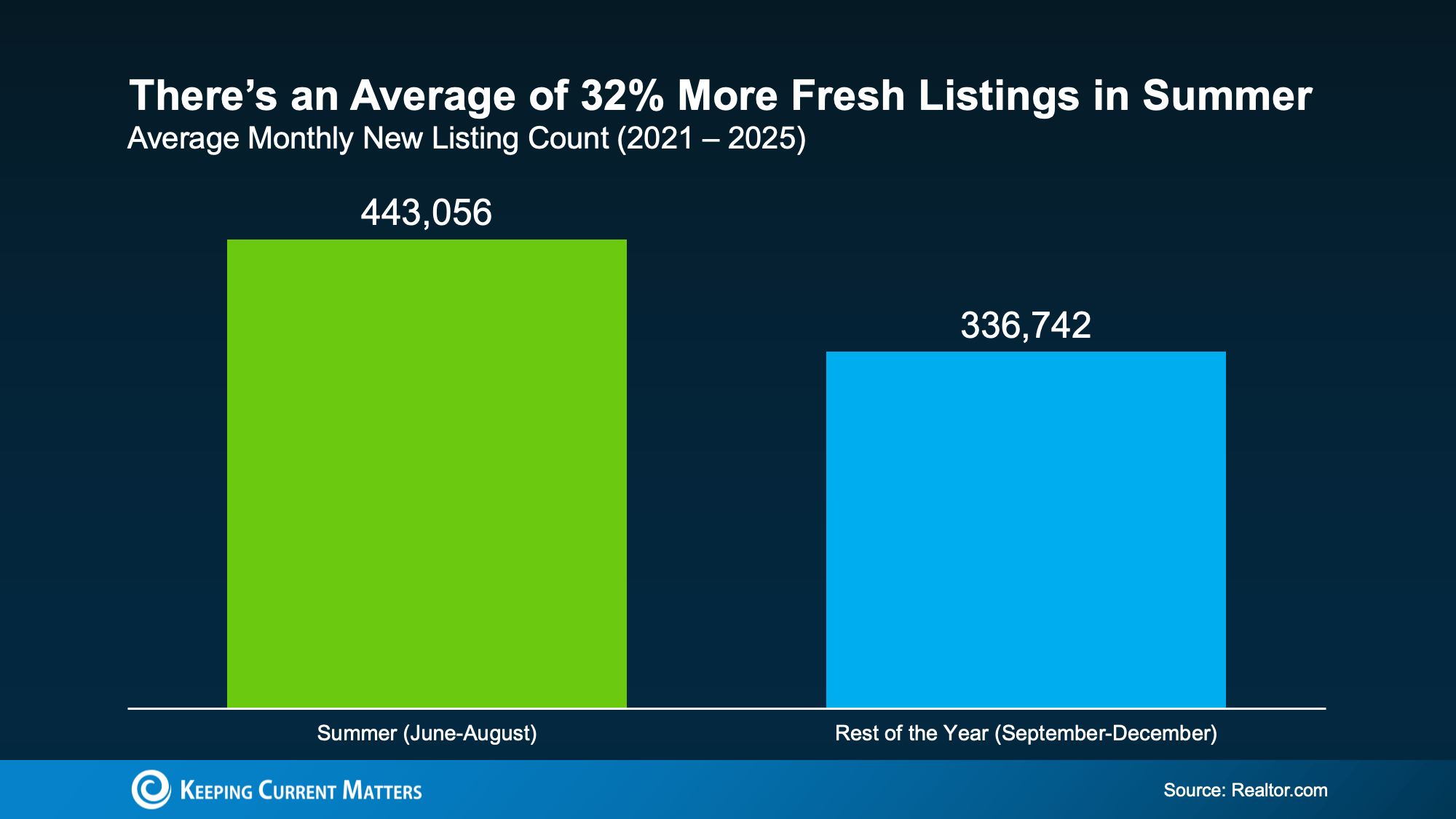
With more newly listed homes, there’s a better chance of finding one you like where the numbers actually work.
Because all it really takes is one home to completely change your search. And if you’ve got more popping onto the market to choose from, maybe one of those is exactly what you need.
But keep in mind, this seasonal window isn’t open forever. Fresh inventory tends to slow down once Summer ends.
Many homeowners who planned to sell this year have already listed by then. Families who wanted to move before school starts have often already gotten it done, or at least, set it into motion. So, new listing activity usually cools as we head into Fall and Winter.
Of course, every year is different. But if finding the right home at the right price has been your biggest challenge, waiting until later in the year may not necessarily give you more options. In fact, recent history suggests it may do just the opposite.
Sellers: Homes Usually Sell for More in the Summer
If you’re thinking of selling, you may be considering holding off because you’ve seen headlines about lower asking prices, price cuts, and softer conditions in some markets. But those headlines don’t tell the whole story or convey just how much it varies by area.
Here’s what you really need to know. Even though the market’s becoming more balanced and some pockets are experiencing price declines, that doesn’t mean you’ve missed your chance to sell.
Seasonality can still work in your favor no matter where you are. And this Summer could still give you the chance to sell for a good price.
According to the National Association of Realtors (NAR), homes sold during a Summer month usually sell for about 4% more than homes sold during the typical month from September-December:
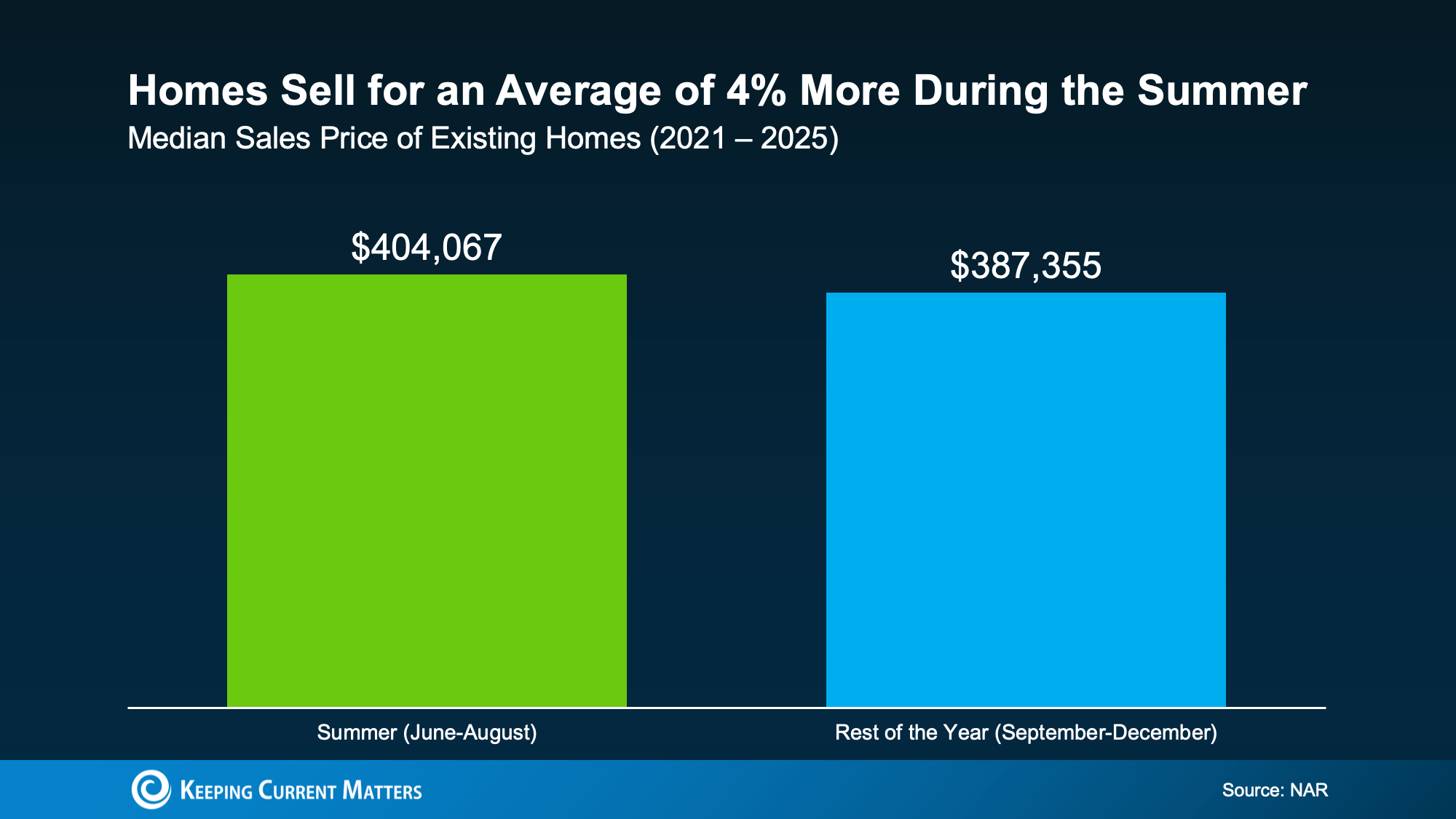
Why? Summer buyers are usually operating on a set timeframe. They’re trying to move before the next school year or when they have more PTO and warmer weather to tour houses. That urgency can translate into better offers.
Now, that doesn’t mean you should price your house 4% higher this Summer. That would actually be a mistake in today’s market.
It just means if you’re looking to get as much for your house as you reasonably can, a Summer move could be a smarter play than waiting until later this year.
Because based on typical seasonality, you may get more for your house than you would if you waited until the Fall or Winter (when there are typically fewer buyers active).
And if you’re considering a move anyway, that’s worth factoring in.
Bottom Line
Could waiting until later this year work out? Sure. But it’s important to understand what you may gain by moving now too – that way you have the full picture before you decide.
If a 2026 move is on your radar, talk to an agent about what matters most to you. Depending on your priorities, Summer could be your moment.
Food •
June 5, 2026
Garlic Cream Bucatini with Peas and Asparagus By Pinch Of Yum

Ingredients
- 1/2 pound of DeLallo Bucatini Pasta
- 2 tablespoons butter
- half a bunch of asparagus, ends trimmed and sliced diagonally (about 1 1/2 cups once cut)
- 4 cloves garlic, grated
- 3/4 cup chicken or vegetable broth
- 1 cup heavy cream
- half of a bag of frozen peas (about a heaping cup)
- zest of one lemon
- lemon juice to taste
- salt and pepper to taste
- some golden crispies aka breadcrumbs for topping
Instructions
- Cook pasta to al dente according to package directions.
- Melt butter over medium heat. Add asparagus and cook for 5 minutes, until soft and bright green. (You’ll simmer the asparagus a bit longer in the sauce, so it’s okay if it’s still a little firm.)
- Add garlic and sauté for 1-2 minutes, until fragrant.
- Add broth and heavy cream; bring to a low simmer. Once it thickens into more of a sauce, add in the frozen peas for the final few minutes of cooking. Season with the lemon juice, lemon zest, salt, and pepper.
- Toss the sauce with the pasta; keep it all over low heat for a few minutes so the pasta and the sauce really come together. Let stand for a few minutes if necessary for everything to thicken and the sauce to really cling on to the pasta. Top with lots and lots of breadcrumbs, and some rotisserie chicken or sautéed shrimp if you want! So yum!
Local •
June 5, 2026
One-time studio boss, Grammy winner’s $15M Calabasas Estate Tops County’s Luxury Contracts By The Real Deal

A Calabasas estate dubbed Oaktree Ranch topped last week’s luxury homes to go into contract with a nearly $15 million asking price.
As of Tuesday, the sale for the property at 715 Crater Camp Drive was still pending. The 19-acre equestrian estate topped Los Angeles County contracts last week, based on a report compiled by Marcy Roth of Douglas Elliman’s Eklund Gomes team. The Eklund Weekly Luxury Report Los Angeles rounds up single-family homes and condominiums listed in the Multiple Listing Service for $4 million or more and lists the top contracts based on asking price.
The five-bedroom, eight-bathroom home, which spans 7,500 square feet, was listed in November 2024 for $16.5 million — about 9 percent higher than its current ask. Before that, the home was listed and unlisted a couple of times in recent years, and sought nearly $25 million as recently as 2023, according to Zillow.
Westside Estate Agency’s Stephen Shapiro and Kurt Rappaport hold the listing.
If this deal goes through, it will mark the home’s first sale since it was built in 2003 by the sellers, former Warner Bros. co-CEO Robert Daly and his wife, singer-songwriter Carole Bayer Sager. The gated estate includes a gym, offices, swimming pool with a cabana, barbecue area, a lighted tennis court, an eight-horse stable with a stable manager’s office, chicken and pigeon coops, along with goats, ducks and ponies. There’s also a four-bedroom guest house.
Oaktree ranch was one of 14 new signed contracts in L.A. County last week reported by the Eklund Gomes team for a total of $106.3 million in asking volume. That’s down from the same week last year which recorded 20 homes going into contract for a total of $129.3 million.
The second priciest home by listing to go into contract last week was at 712 Walden Drive in
Beverly Hills. Situated in the Beverly Hills Flats, the nearly 5,300-square-foot residence asked about $14 million, or $2,655 per square foot. As of Tuesday, the sale was in escrow for the home which hit the market in late-March. Carolwood Estates’ Marcie Hartley has the listing and declined to disclose the seller.
The five-bedroom, seven-bathroom 1924-built home features a chef’s kitchen, wet bar, garden studio, pool and covered cabana. Since September 2024, the home has been listed for rent three times, each time asking $25,000 per month, according to Zillow. It last sold in 2017 for $8.8 million.

