

 Facebook
 X
X
 Pinterest
 Copy Link
“In our survey, 82 percent of homeowners said non-mortgage costs have increased since they bought their home, and 45 percent said those costs are higher than they expected,” said Clara Haverstic, a Raleigh, North Carolina-based data analyst for Clever. “Nearly one-third [29 percent] said they weren’t aware of these additional costs when they purchased their home.”
How to estimate utility costs
When home buyers are evaluated for a mortgage, lenders don’t include utility bills as part of their monthly expenses. Those costs vary widely depending on location, the size of the home and how energy-efficient it is, along with homeowner habits. While most people think primarily about electric and gas bills, many homeowners also pay water bills. Trash collection, internet, phone and cable services can also be included as utility expenses, although renters pay some of those bills.
“Between high prices and interest rates, buyers’ budgets are really stretched,” said Robin LeBaron, co-founder and president of Pearl, a provider of home-performance ratings for all single-family homes in the United States. “We sponsored a survey by Smart Energy Consumer Collaborative, which found that 84 percent of recent buyers said that energy efficiency was very or moderately important to their home-buying decision. But only about 8 percent of listings even mention energy efficiency.”

Home buyers can ask their agent or the listing agent of a home they want to buy about estimated utility bills, which some sellers are willing to share, said Kendra Sinclair, a Hudson Valley, New York-based design trends expert at Thumbtack, a home services platform.
“Buyers can also call utility companies to get a 12-month look-back at the bills, since they’re tied to an address,” Sinclair said. “It’s important to get the full year of costs, since they’re typically lower in spring and fall and higher in the summer and winter.”
In some cases, a utility company will provide an average bill based on a comparable nearby home, said Marc Blackwood, owner of Real Property Management Pros.
“Buyers should ask their agent and sellers about energy-efficient upgrades in the property, along with the age of appliances and systems,” Blackwood said. “Always have a home inspection and ask the home inspector for estimates of the age and efficiency of appliances, along with the water heater and the heating and air conditioning system.”
Buyers of single-family houses and townhouses with their own heating and air conditioning units (rather than communal systems such as in a condo) can go to Pearl and enter an address to get a score for the house’s performance based on its safety, comfort, operations (which includes utility costs), resilience and energy efficiency, including whether it has solar power and storage. The score is based on data the insurance companies and mortgage underwriters see from public records, LeBaron said, along with some proprietary data. Homeowners can update information with documentation if anything is missing or inaccurate.

“Buyers can also ask their home inspector to review the age of the mechanical systems in a house and see whether they’ve been well-maintained, which will have a big impact on their efficiency,” LeBaron said. “Buyers can look for the make and model themselves, as well as the year a system was installed to estimate when they may need to replace it.”
If you have concerns about a house or your house inspector flags something, you can hire an electrician, a plumber or an insulation, roof or window expert to assess the relevant system or component and estimate replacement costs, Sinclair said.
“If you smell mold or mildew, you should ask your inspector to look for evidence of leaks, which can contribute to higher water bills,” she said.
Inexpensive ways to lower your utility bills
Depending on market conditions, it may be possible to ask sellers to make repairs or give you credit at the closing to pay for them, but generally if a system or appliance works, the sellers are not responsible for upgrading it. However, some simple and inexpensive fixes you can do after you move in to lower your energy bills include:

- Replacing the weather stripping or caulk around doors and windows to block drafts.
- Installing a programmable thermostat to schedule heat and air conditioning to reduce usage.
- Adding thermal curtains to keep cold air out in winter.
- Changing light fixtures or bulbs to LED lights, which last longer and require less electricity.
- Changing or clean your air filters regularly to keep heating and air conditioning working smoothly.
- Checking with your electric company to see if it charges more for usage during peak hours. If it does, you might be able to adjust your habits to reduce your electricity consumption then.
- Hiring a plumber to tighten your outdoor water spigots.
- Installing leak sensors under sinks and next to your water heater to catch leaks and get them repaired.
- Installing low-flow faucets, showerheads and toilets to reduce water use.
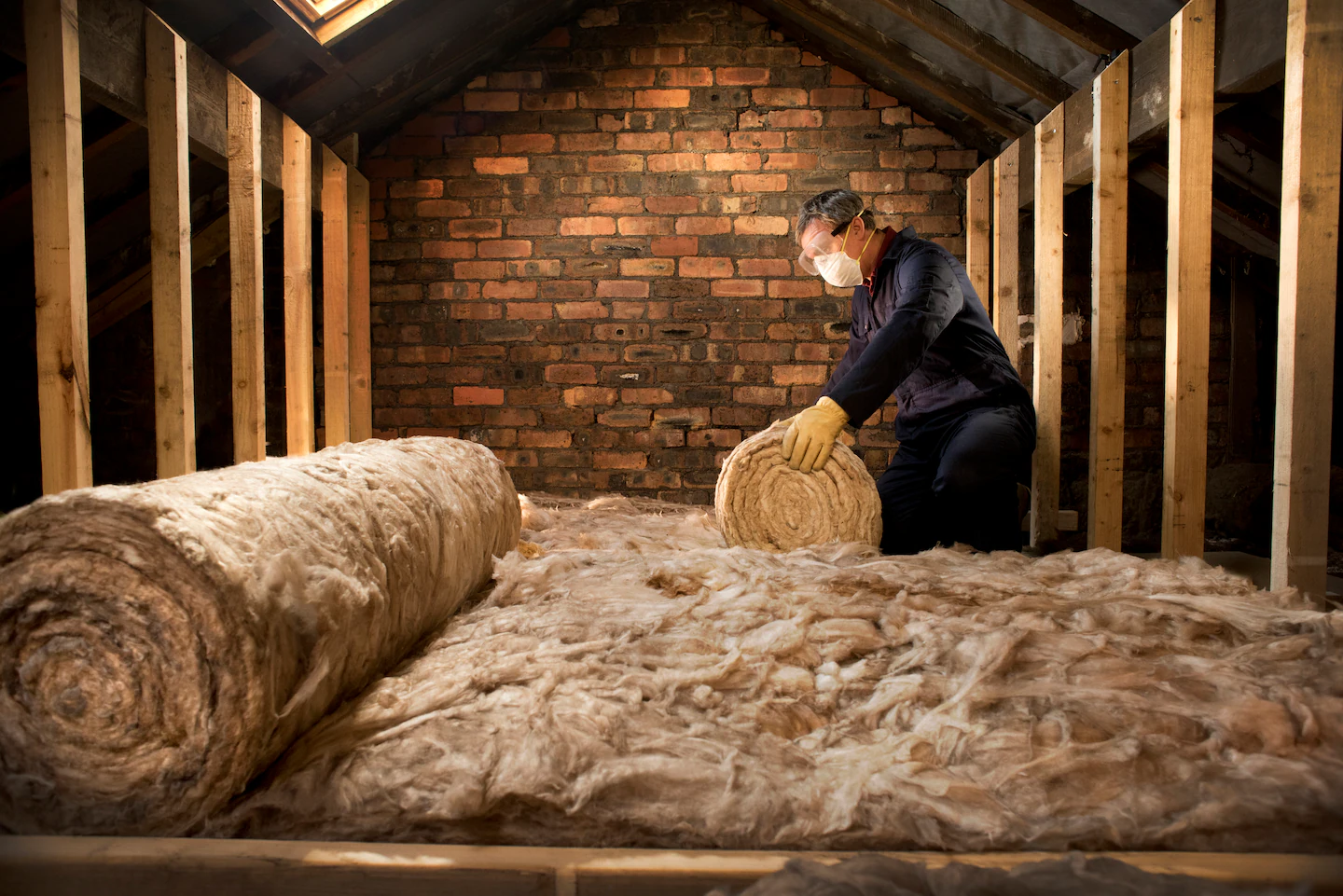
- Adding insulation to the attic, including the hatch to the attic.
- Installing ceiling fans for better air circulation.
- Buying a water heater blanket to keep energy in the unit and not heating the space around it.

“Homeowners should develop a plan based on when their appliances are likely to need replacing,” Haverstic said. “You have to assume things will break and need repair, so you should have dedicated savings for repair or replacement and know who to call.”
Haverstic suggests considering a home warranty, which is a service contract for the appliances and systems covered by the specific policy. Home warranty policies cost an average of $30 to $90 per month.

Blackwood recommends buying an annual service plan for your heating and air conditioning system as well as a plumbing service contract to catch issues before they get serious.
Bigger investments for future utility savings

If your inspector finds that your house lacks insulation or has old and damaged insulation, you might want to invest in professional spray foam insulation, which can quickly reduce energy consumption, Sinclair said.
“A midrange project that can improve comfort as well as lower your bills is to seal the air ducts in your attic,” LeBaron said. “You can install storm windows and a storm door if you have older single-pane windows and are not ready to replace them yet.”
“You’ll need to invest more if you’re replacing your heating and air conditioning system, your water heater, your windows and your appliances, but you’ll get payback over time from improved efficiency,” Sinclair said. “Depending on where you live and the availability of rebates from your utility company, solar panels and storage can have an even bigger impact.”
Financing these upgrades can be a challenge, but some mortgage programs such as FHA 203(k), Fannie Mae HomeStyle Renovation and Freddie Mac ChoiceRenovation loans allow borrowers to include renovation costs in their purchase loan. For example, home buyers can have an energy-efficient heat pump, extra insulation, better windows and a heat pump water heater installed before they move in — that’s as long as they can qualify for the larger loan payment. More often, homeowners wait until they can save money for upgrades or borrow against the home equity they build up over time.

